7 Warning Signs of Plumbing Problems (Before It's an Emergency)
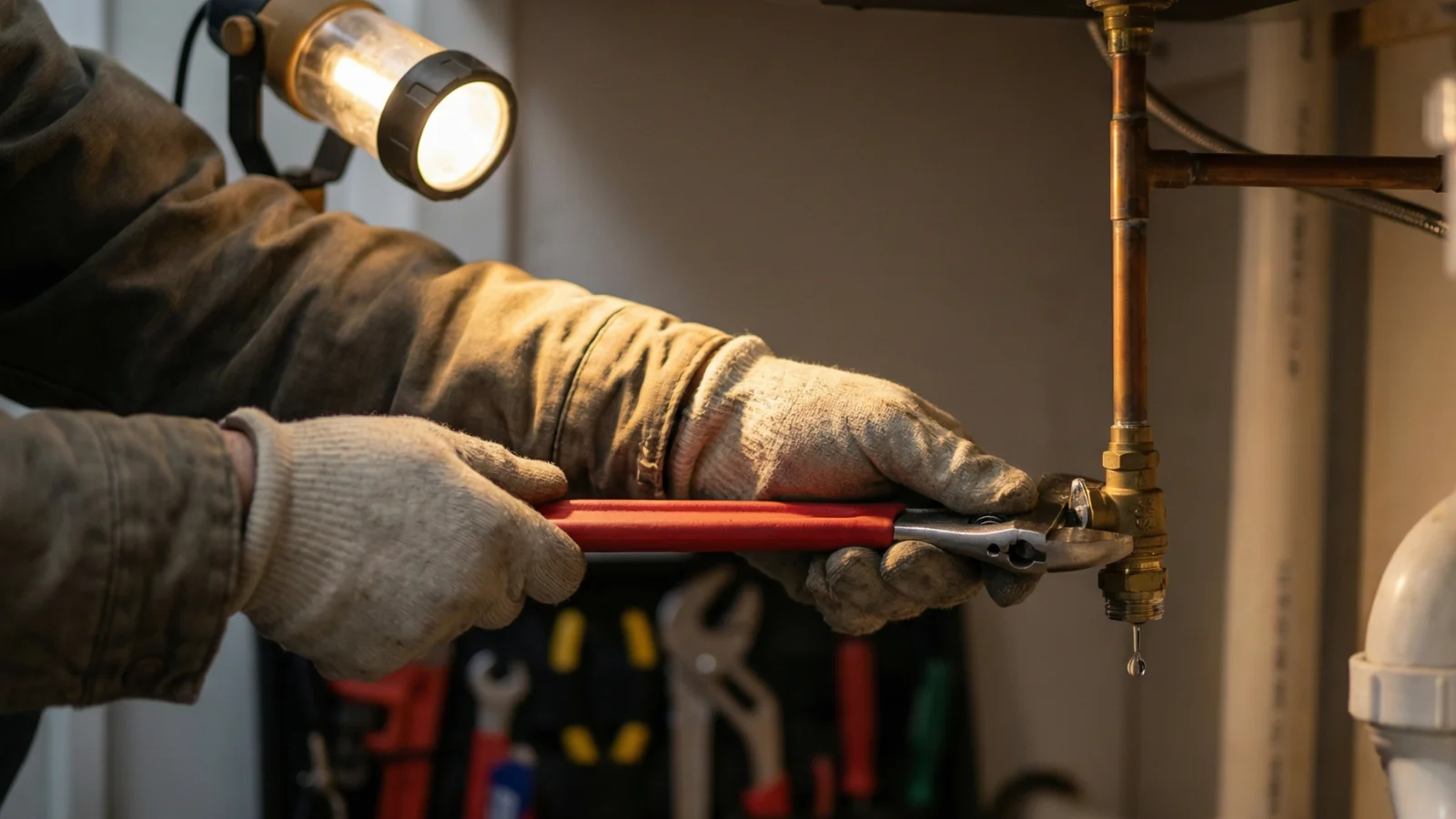
That slow drain in your bathroom? The weird sound your pipes make at night? Your home is trying to tell you something.
Most plumbing problems don’t happen overnight. They build up slowly—sometimes over months or years—before turning into the kind of mess that ruins your weekend and your wallet. The good news: if you know what to look for, you can catch these issues early, when they’re still easy (and affordable) to fix.
Here are seven warning signs that something’s going on with your plumbing. None of them require panic. All of them deserve attention.
The 7 Signs at a Glance
- Low or inconsistent water pressure
- Slow drains (especially multiple ones)
- Water stains on ceilings or walls
- Unexplained spike in your water bill
- Gurgling sounds from drains
- Unpleasant odors coming from drains
- Visible corrosion or discoloration on pipes
Let’s break down what each one actually means—and when it’s time to get someone to take a look.
1. Low or Inconsistent Water Pressure
You turn on the shower and get a trickle instead of a stream. Or the kitchen faucet that used to have good pressure now barely rinses the dishes.
What it might mean:
- Mineral buildup in your pipes. Charlotte has moderately hard water, and over time, calcium and lime deposits can narrow the inside of your pipes. This is common in homes over 20 years old.
- A leak somewhere in the system. If water’s escaping before it reaches your faucet, pressure drops.
- Issues with the main supply line. Sometimes the problem isn’t your house at all—it’s the connection from the street.
What to do: If it’s just one faucet, try cleaning the aerator (that little screen at the tip). If the whole house has low pressure, it’s worth having someone check for leaks or buildup.
2. Slow Drains
A slow drain is annoying. But what it tells you matters.
One slow drain usually means a localized clog—hair in the bathroom sink, food in the kitchen drain. Often you can clear it yourself with a plunger or a drain snake.
Multiple slow drains throughout the house? That’s different. It suggests a blockage deeper in your main sewer line, which could be caused by:
- Tree roots growing into pipes (very common in older Charlotte neighborhoods with mature trees)
- Buildup of grease, soap, or debris over years
- A partially collapsed pipe
What to do: If more than one drain is slow at the same time, don’t pour chemical drain cleaner down and hope for the best. You need to find out what’s actually going on down there.
3. Water Stains on Ceilings or Walls
Brown or yellowish stains on your ceiling or walls are never just cosmetic. Water is getting somewhere it shouldn’t be.
Common causes:
- A slow leak from a pipe inside the wall
- A failing seal around a toilet or shower on the floor above
- Condensation from uninsulated pipes (less serious, but still needs addressing)
What to do: Don’t paint over it and forget about it. Water stains mean moisture is accumulating, and moisture leads to mold, rot, and structural damage. Find the source. It’s almost always cheaper to fix early.
4. Unexplained Spike in Your Water Bill
Your usage habits haven’t changed, but your bill jumped $50 this month. Where’s that water going?
Most likely culprits:
- A running toilet. A toilet that runs constantly can waste 200+ gallons a day. You might not even hear it.
- A hidden leak. Pipes under your slab, in your crawl space, or behind walls can leak for weeks before you notice.
- An outdoor leak. Irrigation systems and hose bibs are easy to forget about.
A simple test: Turn off everything that uses water in your house. Check your water meter. Wait 30 minutes without using any water. Check again. If the meter moved, you have a leak somewhere.
5. Gurgling Sounds from Drains
If your toilet gurgles when you drain the bathtub, or your sink makes bubbling noises when it shouldn’t—pay attention.
What’s happening: Air is getting trapped in your drain system, then pushing back up. This usually means a partial blockage or a venting problem.
Your plumbing system has vent pipes (usually going up through your roof) that let air flow so water drains smoothly. When vents get blocked—by leaves, bird nests, or debris—or when there’s a clog forming in the main line, you get these gurgling sounds.
What to do: Occasional gurgles after heavy use might be nothing. Regular gurgling, especially in multiple fixtures? Something’s blocking the flow of air or water.
6. Unpleasant Odors from Drains
A drain that smells like rotten eggs or sewage isn’t just gross—it’s telling you something’s wrong.
Possible causes:
- Dried-out P-trap. That curved pipe under your sink holds water to block sewer gases. If a drain doesn’t get used often (like in a guest bathroom), the water evaporates and gases come through. Easy fix: run the water for a minute.
- Buildup in the drain. Hair, soap, food particles—they decompose and smell bad. A good cleaning usually solves this.
- Sewer line issue. If the smell persists or comes from multiple drains, gases might be backing up from a problem further down the line.
What to do: Start simple—run water in unused drains, clean your drain stoppers. If the smell won’t go away, there’s something more going on.
7. Visible Corrosion or Discoloration on Pipes
If you can see your pipes (under sinks, in the basement, in utility areas), take a look at them once in a while.
Warning signs:
- Green or blue-green staining on copper pipes (indicates corrosion)
- White or chalky buildup (mineral deposits)
- Orange or rust-colored discoloration
- Flaking or pitting on the surface
What it means: Corrosion weakens pipes over time. A corroded pipe is more likely to develop pinhole leaks or fail completely. Many Charlotte homes built in the 1970s-90s have pipes that are now reaching the end of their expected lifespan.
What to do: Corrosion doesn’t reverse itself. If you’re seeing significant buildup or discoloration, it’s worth getting an assessment of what shape your pipes are in—before you end up with water in your ceiling.
When These Signs Become Emergencies
Most of what we’ve covered here is the kind of thing you can address on your own timeline. Schedule an appointment, get it looked at, make a plan.
But some situations can’t wait:
- Water actively spraying or flooding — Shut off your water main immediately
- Sewage backing up into your home — Health hazard; needs same-day attention
- No water at all — Could indicate a major line break
- Gas smell combined with water issues — If you smell gas, leave the house and call your gas company first
If you’re dealing with any of these, our emergency services team can help.
The Bottom Line
Your plumbing gives you signals before things go wrong. Low pressure, slow drains, strange sounds, weird smells—these are your house asking for a little attention.
Catching problems early almost always means simpler fixes and lower costs. Ignoring them usually means bigger problems later.
If you’re noticing any of these signs in your Charlotte home and want a professional opinion, we’re happy to take a look. No pressure, no upsell—just an honest assessment of what’s going on and what your options are.
Request a free plumbing assessment →
Frequently Asked Questions
How do I know if my plumbing problem is serious?
A good rule of thumb: if the problem affects multiple fixtures (several slow drains, low pressure throughout the house), it’s more likely to be a systemic issue that needs professional attention. Single-fixture problems are often simpler to resolve.
Can I use chemical drain cleaners to fix slow drains?
They can work for minor clogs, but we don’t recommend them as a regular solution. Chemical cleaners can damage pipes over time, especially older pipes. For recurring slow drains, it’s better to find out what’s actually causing the blockage.
How often should I have my plumbing inspected?
For most Charlotte homes, a checkup every 2-3 years is reasonable—more often if your home is older than 30 years or you’ve had previous plumbing issues. It’s also smart to get an inspection if you’re buying a home or notice any of the warning signs above.
Need Help With Your Home?
Our team of experts is ready to help with any repair or remodeling project.
Our Services
Need help with a project? We offer expert repair and remodeling services throughout Charlotte.