5 Home Repairs You Should Never DIY (And What You Can)
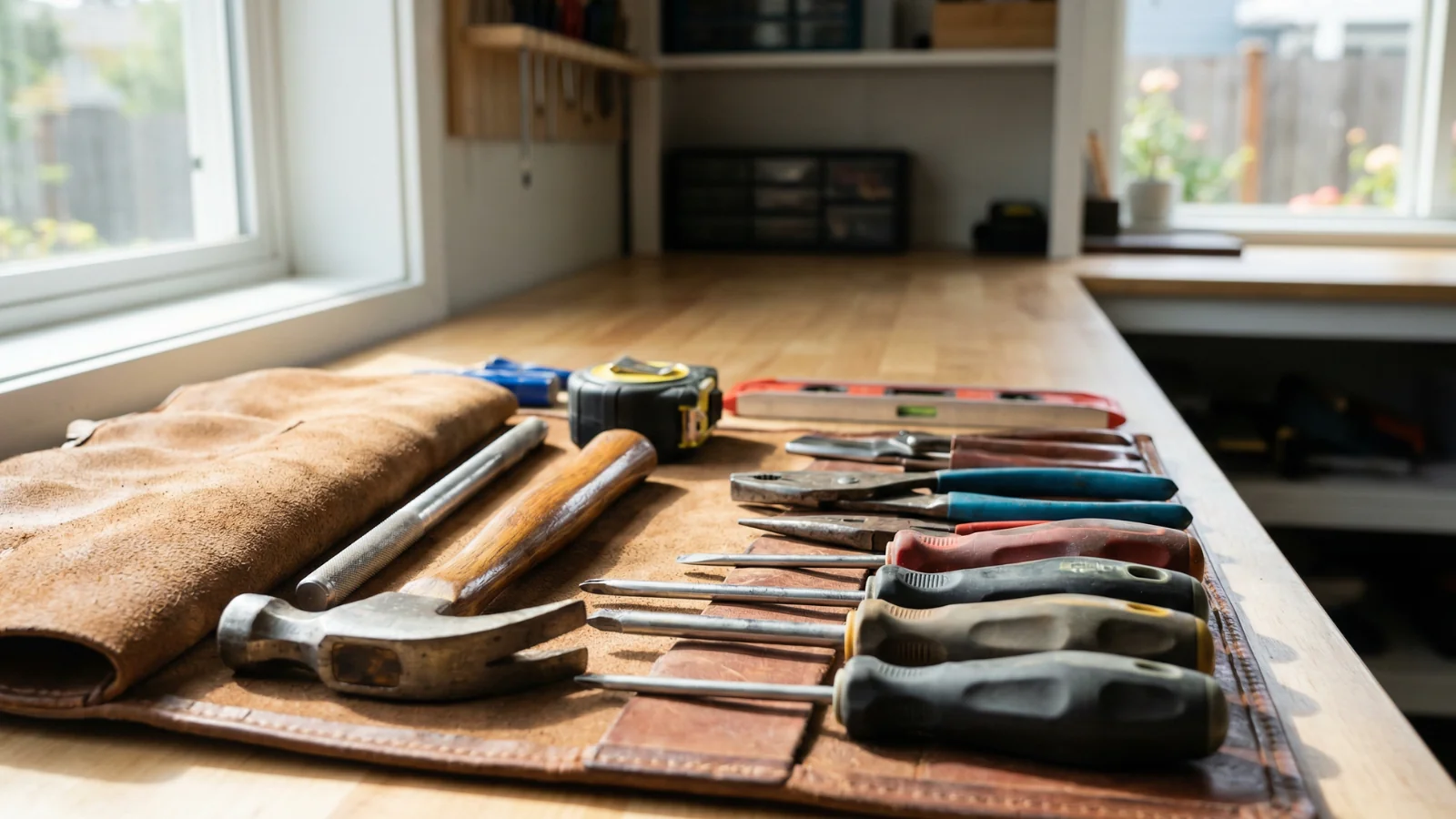
There’s real satisfaction in fixing something yourself. You save money, learn something new, and get that “I did this” feeling every time you walk by.
But some repairs aren’t worth the risk. Not because you’re not capable—but because the consequences of getting it wrong are too high. We’re talking about fires, floods, structural failure, or repairs that cost 10x more to fix than they would have to do right the first time.
Here are five repairs where calling a professional isn’t about convenience. It’s about protecting your home, your family, and your wallet.
1. Electrical Panel Work
Why it’s risky: Your electrical panel handles the full load of your home’s power—100 to 200 amps of electricity that can kill you instantly if you touch the wrong thing.
Even with the main breaker off, the wires coming INTO the panel from the utility are still live. They’re always live. There’s no switch for those.
What can go wrong:
- Electrocution (serious injury or death)
- Electrical fires from improper connections
- Failed inspections when you sell your home
- Voided homeowner’s insurance
In North Carolina: Most electrical panel work requires a permit and inspection. If you do it yourself and something goes wrong later, your insurance company can deny the claim.
What you CAN do yourself: Replacing a light switch, swapping out an outlet cover, changing a light fixture (with the breaker OFF). Basic stuff that doesn’t involve the panel.
When to call a pro: Anything involving the breaker panel, adding new circuits, or upgrading your electrical service.
2. Gas Line Repairs or Installation
Why it’s risky: Natural gas is invisible, odorless (they add the smell), and explosive. A small leak in a confined space can fill a room with gas and turn any spark into an explosion.
This isn’t theoretical. Gas explosions from DIY repairs happen every year.
What can go wrong:
- Gas leaks leading to explosions
- Carbon monoxide poisoning
- Property damage to your home and neighbors
- Criminal liability if someone gets hurt
The stakes: A professional gas line repair might cost $150-300. An explosion can destroy your home and everyone in it.
What you CAN do yourself: Nothing involving gas lines. Seriously. If you smell gas, leave the house, don’t flip any switches, and call your gas company from outside.
When to call a pro: Any gas appliance installation (stove, dryer, water heater, furnace), any suspected gas leak, any work that involves disconnecting or connecting gas lines.
3. Load-Bearing Wall Removal
Why it’s risky: Load-bearing walls hold up your house. They transfer the weight of everything above them—roof, upper floors, furniture, people—down to the foundation.
Remove one without proper support, and you’re not making an open floor plan. You’re making a collapse.
What can go wrong:
- Ceiling or roof collapse (during or after the work)
- Cracked foundations from redistributed weight
- Sagging floors and structural damage over time
- Permits pulled and fines issued
The tricky part: It’s not always obvious which walls are load-bearing. Some interior walls that look like they’re just dividing rooms are actually holding up critical structure above.
What you CAN do yourself: Remove non-load-bearing walls (after confirming with a professional which ones those are). Patch drywall. Paint.
When to call a pro: Any wall removal should start with a structural assessment. If it’s load-bearing, you need an engineer’s plan and proper temporary supports during the work.
4. Major Plumbing Behind Walls
Why it’s risky: The plumbing you can see—under sinks, behind toilets—is usually manageable. The plumbing inside your walls is a different story.
One wrong cut, one bad connection, and you’ve got water flowing inside your walls where you can’t see it. By the time you notice, you’ve got mold, rot, and thousands in damage.
What can go wrong:
- Slow leaks inside walls leading to mold and structural damage
- Improperly vented drains causing sewer gas in your home
- Frozen pipes if insulation gets disturbed
- Failed inspections and code violations
Charlotte-specific: Older homes in the area often have a mix of pipe materials—copper, galvanized steel, PVC—sometimes connected in ways that cause corrosion. What looks like a simple fix can uncover a bigger issue.
What you CAN do yourself: Unclog a drain, replace a faucet, swap out a toilet fill valve, install a new showerhead. Anything you can access without opening walls.
When to call a pro: Rerouting pipes, fixing leaks inside walls, replacing water heaters, anything involving your main sewer line.
5. Roof Repairs
Why it’s risky: Two reasons—falling off the roof, and making the leak worse.
Roofs are steep, slippery when wet, and one wrong step can send you to the hospital. But even if you’re comfortable with heights, DIY roof repairs often cause more problems than they solve.
What can go wrong:
- Falls (the leading cause of DIY injury deaths)
- Improper flashing or sealing that makes leaks worse
- Voided manufacturer warranty on shingles
- Water damage that spreads before you realize the repair failed
The hidden issue: Finding the source of a roof leak is harder than it looks. Water can travel along rafters and sheathing, so where you see the stain inside is often several feet from where the actual leak is.
What you CAN do yourself: Clean gutters (with proper ladder safety), inspect your roof from the ground with binoculars, replace a single loose shingle if you can safely access it.
When to call a pro: Any repair that requires walking on the roof, especially on steep pitches. Anything involving flashing, valleys, or vents. Any leak you can’t easily trace to an obvious source.
The Repairs You CAN DIY
Not everything needs a pro. Here’s what’s usually safe to tackle yourself:
Plumbing:
- Unclogging drains (plunger or snake)
- Replacing faucets and showerheads
- Swapping toilet components (flapper, fill valve)
- Installing a new toilet seat
Electrical:
- Replacing light fixtures (breaker OFF)
- Swapping outlets and switches (breaker OFF)
- Installing ceiling fans (if wiring already exists)
Carpentry:
- Patching small drywall holes
- Replacing interior doors
- Installing shelving and storage
- Refinishing furniture
General:
- Painting (interior and exterior trim)
- Caulking and weatherstripping
- Basic landscaping
- Gutter cleaning (with proper safety)
The Real Question to Ask
Before starting any repair, ask yourself:
“What’s the worst that could happen if I get this wrong?”
If the answer is “I’ll have to redo it” or “it’ll look a little off”—go for it. That’s how you learn.
If the answer involves fire, flooding, structural damage, or a hospital visit—that’s when the smart move is to get help.
Not Sure? Just Ask
Here’s something we tell people all the time: you can always call and ask. A good contractor will tell you honestly whether something is a DIY job or not.
If it’s something simple, we’ll say so. If it’s something that needs professional attention, we’ll explain why. No pressure either way.
That’s the kind of relationship we try to build with homeowners in Charlotte—the kind where you trust us to give you a straight answer, not just the answer that makes us money.
Frequently Asked Questions
How do I know if a wall is load-bearing?
Load-bearing walls typically run perpendicular to floor joists and are often located in the center of the house. However, the only way to know for sure is to look at your home's structure—either from the attic, basement, or with original building plans. When in doubt, assume it's load-bearing until proven otherwise.
Do I need a permit for home repairs?
In Charlotte and Mecklenburg County, permits are required for most electrical work, plumbing changes, structural modifications, and HVAC installations. Minor repairs and cosmetic work typically don't need permits. If you're not sure, check with the county or ask your contractor—doing unpermitted work can cause problems when you sell.
What's the most common DIY mistake you see?
Honestly? People underestimating water damage. A small leak that seems like no big deal can cause thousands in damage if it sits inside a wall for months. If you see water where it shouldn't be, don't assume it'll dry out on its own.
Need Help With Your Home?
Our team of experts is ready to help with any repair or remodeling project.
Related Articles
Our Services
Need help with a project? We offer expert repair and remodeling services throughout Charlotte.